

 AHFE Open Access
Neuroergonomics and Cognitive Engineering
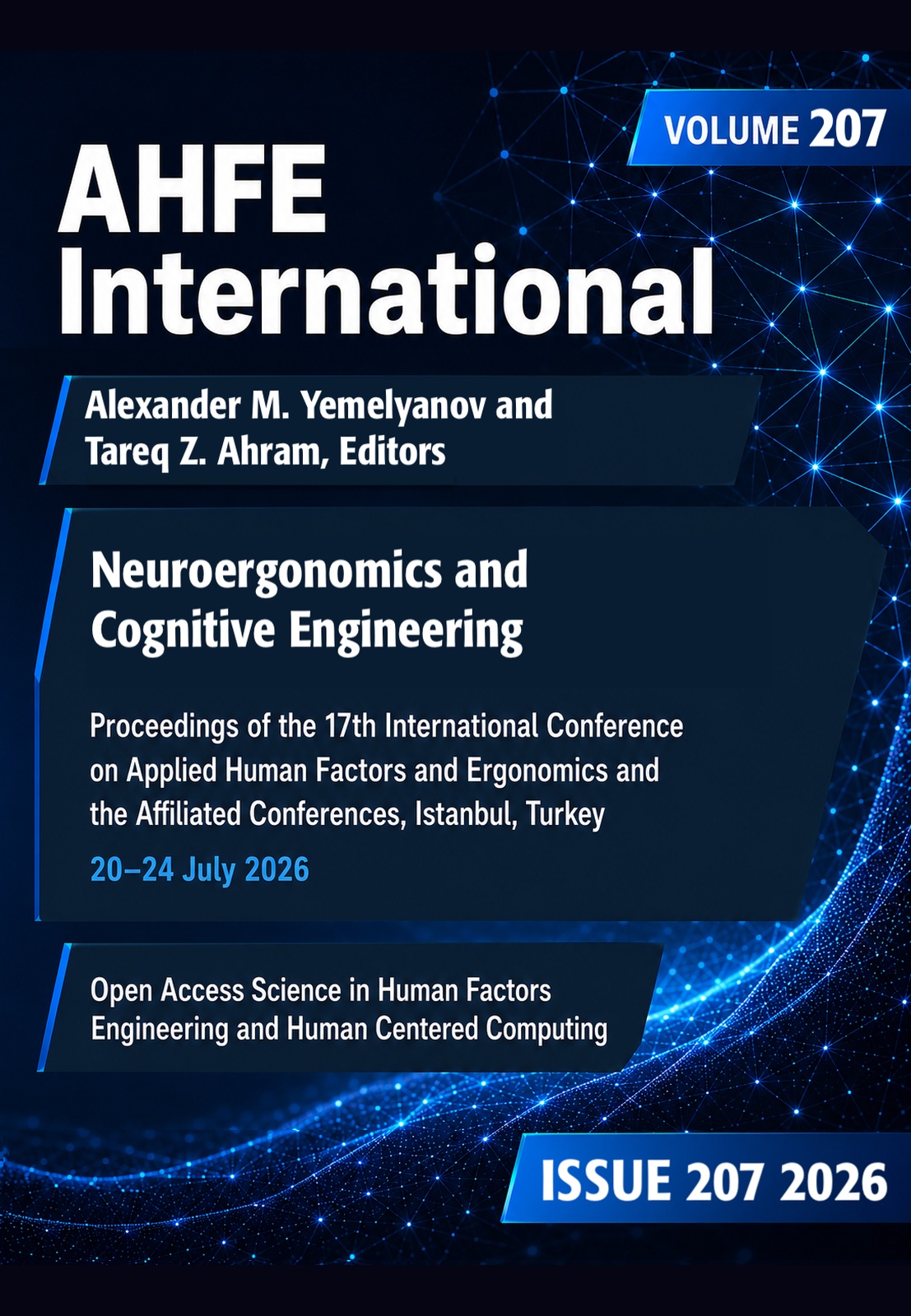
Editors: Alexander M. Yemelyanov, Tareq Z. Ahram
Topics: Neuroergonomics and Cognitive Engineering
ISBN: 978-1-964867-83-0
DOI: 10.54941/ahfe1007226
Table of Contents
AI-Assisted Cognitive-Behavioral Decision Support for Insurance Coverage Selection
Selecting appropriate insurance coverage requires evaluating uncertain risks while regulating cognitive and motivational processes. This paper presents ED2® Insurance Choice, an AI-assisted cognitive-behavioral decision-support system designed to help users select a level of insurance coverage that sufficiently reduces financial risk relative to their risk profile. Unlike conventional insurance comparison tools that primarily prioritize premium price, the system focuses on identifying an appropriate extent of coverage (Basic, Standard, or Comprehensive) before selecting an insurance provider. This approach is based on a self-regulation model of problem-solving in which cognitive evaluation of risk reduction and motivational regulation jointly guide the search for a satisficing solution. Integration with Microsoft Azure OpenAI APIs enables the generation of personalized cognitive and motivational risk outcomes, with associated confidence levels, along with solutions for mitigating anticipated difficulties and strategies to support goal attainment. An illustrative example of auto insurance demonstrates how cognitive risk reduction and self-efficacy–driven motivation influence which coverage alternative reaches the satisficing level. The results suggest that AI-supported guidance can improve the transparency of risk evaluation and support more informed insurance coverage selection under uncertainty.
Alexander M. Yemelyanov, David Adeogun, Rahul Sukumaran
Open Access
Article
Conference Proceedings
Coping Behaviour Patterns Among Different Psychological Types Under Conditions of Uncertainty
Prolonged uncertainty that is caused by socio-political turmoil, places high adaptation demands on individuals. This study examined how personality psychological types (character accentuations) relate to preferred coping strategies under conditions of prolonged uncertainty. An empirical study was conducted on 57 university students (ages 18–45) using the Character Accentuation Questionnaire by K. Leonhard (H. Schmieschek adaptation), the Freiburg Personality Inventory (FPI), and S. Norman’s Coping Inventory. Descriptive statistics and Pearson correlations were used to identify relationship between personality traits, accentuation types, and coping strategies. Results show that the most prominent accentuation types in the sample were Emotive, Exalted, Excitable, and Cyclothymic, indicating high emotional reactivity. Overall, 63% of participants primarily used problem-focused (active) coping, 26% used emotion-focused coping, and 7% relied on avoidance strategies. Significant correlation has been found between personality traits and coping: for example, extraversion and openness were associated with greater use of adaptive, problem-focused coping, whereas depressiveness and emotional lability were associated with emotion-focused or avoidant coping. These findings suggest distinct coping behavior patterns for different psychological types under uncertainty. Individuals with high emotional reactivity (e.g. emotive and exalted types) tended to employ more emotion-oriented coping, while more stable and energetic types (e.g. hyperthymic) favored problem-solving strategies. The study’s outcomes contribute to understanding how personality influences stress responses in uncertain contexts and highlight the need for psychological type-tailored interventions to foster adaptive coping and resilience.
Olena Kosyanove, Oleksiy Chebykin, Inna Bedny
Open Access
Article
Conference Proceedings
Mapping Cognitive Fidelity in Joint Cognitive Systems: Neuroergonomics in Simulation-Based Training
Assessing whether simulation-based training environments elicit the cognitive demands of real work remains a persistent challenge in human factors and neuroergonomics. This paper presents a meta-analysis of eye-tracking studies (2005–2025) conducted in live, virtual, and constructive simulation-based training environments across aviation, maritime, medical, military, and industrial domains, examining whether inconsistencies in prior findings are explained by variation in cognitive fidelity, which this paper defines as the degree to which simulations preserve the information-processing structure of operational tasks. Across 26 studies cognitive fidelity strongly moderated gaze–performance relationships. High cognitive fidelity simulations produced moderate-to-large and stable effects (mean r ≈ .48), whereas medium fidelity simulations showed attenuated effects (mean r ≈ .18) and low fidelity simulations yielded weak and heterogeneous effects (mean r ≈ .07), independent of simulator realism or eye-tracker resolution. Risks emerged when eye tracking was applied to cognitively shallow or underspecified tasks, where gaze patterns reflected engagement or design artifacts rather than task-relevant cognition. The findings reposition eye tracking as a neuroergonomic diagnostic of cognitive fidelity, yielding actionable guidance for researchers and designers: cognitive work must be engineered before measurement, and eye tracking should be deployed after core design decisions stabilize to evaluate, compare, and refine cognitively faithful training systems.
Jessica Johnson, Ashley Buczkowski
Open Access
Article
Conference Proceedings
Beyond Physical Safety in Human–Robot Collaboration: Investigating Speed and Proximity Effects in Mental Workload
Human–robot collaboration (HRC) has improved flexibility and productivity in industrial environments; however, current safety standards primarily address physical risks, overlooking operators’ mental workload. This study adopts a neuroergonomic approach to examine how robot speed and human–robot proximity influence mental workload during collaborative tasks. Participants (N=25, n=21) performed a shelf-replenishment task with a collaborative robot under six experimental conditions combining three speed levels and two proximity levels. Mental workload was assessed using subjective ratings, performance indicators (error rate), and functional near-infrared spectroscopy (fNIRS) of pre-frontal cortical activity. Speed emerged as the primary determinant of mental workload. High speed significantly increased perceived demand and error rates, particularly under near proximity. Proximity alone did not produce significant global effects but amplified demand under high operational intensity. Physiological measures confirmed pre-frontal engagement during task execution compared to baseline; however, differentiation among graded task conditions was modest. These findings suggest that excessive operational intensity may compromise performance stability before strong neural amplitude differences emerge. Regulating robot speed may therefore represent an effective mechanism for maintaining mental workload within functional limits in collaborative environments. The integration of subjective, performance, and physiological indicators contributes to a more comprehensive neuroergonomic assessment of human–robot collaboration.
Eduarda Pereira, Nelson Costa, Daniela Arruda, Adriana Sampaio, Nuno Costa
Open Access
Article
Conference Proceedings
Therapeutic Applications of Remote Aviation for Neurodiverse Individuals (TARA-ND): A Neuroergonomic Approach to Strength-Based Therapy for Neurodivergence
Contemporary advances in affective computing, neurodiversity-affirming practice, and remote aviation reveal how technologically mediated sensorimotor engagement can support cognitive–affective regulation. Building on these convergences, TARA-ND (Therapeutic Applications of Remote Aviation for Neurodiverse Individuals) is proposed as a novel neuroergonomic framework. The framework reconceptualizes small unmanned aerial systems (sUAS) as adaptive therapeutic and skill-building environments for individuals with Autism Spectrum Disorder, ADHD, dyslexia, and dyspraxia. While prior work has examined drone operation in relation to workload measurement, performance optimization, and situational awareness, comparatively little attention has been given to its neurodiversity-affirming therapeutic potential. TARA-ND addresses this gap by positioning remote aviation not as a corrective intervention, but as an embodied human–machine interaction that supports executive function, social navigation, and positive neurodivergent identity formation. The framework is organized around five pillars: Sensory-Safe Flight Design, Executive Function Flight Scaffolding, Aerial Regulation Loop, Strength-Based Mission Identity, and Social Navigation & Co-Pilot Collaboration. Together, these pillars align sensory conditions, therapeutic experience, mission identity, and collaborative roles with the participant’s specific neuroprofile. Contrary to just normalizing neurodivergence, TARA-ND modulates the environment around it, allowing therapeutic change to arise through agency, interaction, and strengths-based engagement. In doing so, it proposes remote aviation as a novel, testable pathway for inclusive neuroergonomic intervention.
Suvipra Singh
Open Access
Article
Conference Proceedings
Regulatory Effects of Transcutaneous Electrical Acupoint Stimulation on EEG Power in 36-Hour Sleep Deprivation-Induced Cognitive Decline
Transcutaneous Electrical Acupoint Stimulation (TEAS), as a non-invasive peripheral neuromodulation technique, has been shown to improve cognitive function. However, its neurophysiological mechanisms underlying cognitive regulation remain unclear. This study aims to investigate the intervention effects of TEAS on sleep deprivation-induced cognitive brain activity and its associated neural mechanisms based on electroencephalographic (EEG) frequency domain analysis. Twenty-five healthy male volunteers were recruited as subjects, and a 36-hour sleep deprivation protocol was used to establish a cognitive decline model. Following sleep deprivation, the subjects received TEAS intervention targeting the acupoints of Neiguan, Waiguan, and Shenmen. Subjects completed the improved Go/NoGo task before and after intervention, with simultaneous EEG recording. The study focused on analyzing power spectral density (PSD) changes across five frequency bands in different electrodes. Results indicate that PSD changes following TEAS intervention exhibit state-frequency-region specificity. Alpha band activity was significantly increased in frontal and centroparietal regions in Go conditions. Meanwhile, theta band power showed widespread activation across frontal, central, centroparietal, and parietal regions in NoGo conditions. This finding suggests that TEAS may partially reverse sleep deprivation-induced cognitive impairment at the neurophysiological level by selectively activating alpha rhythms associated with response execution and theta rhythms involved in inhibitory control. The study provides electrophysiological evidence at the EEG frequency domain level for non-invasive interventions targeting sleep deprivation-related cognitive decline, demonstrating the regulatory effectiveness of peripheral electrical neuromodulation.
Muhua Xu, Weiwei Ding, Haowei Deng, Qianxiang Zhou, Zhongqi Liu
Open Access
Article
Conference Proceedings
Multimodal Assessment of Pilot Cognitive Workload Using ECG and Eye-Tracking Features in Simulated Flight Tasks
Pilot cognitive workload is a critical determinant of task performance, decision-making quality, and overall flight safety, rendering its objective and accurate assessment essential. However, current cognitive load assessment methods rely mainly on electroencephalography(EEG) signals that are easily disturbed, which limits their real-world use. Therefore, this study focuses on assessing pilot cognitive workload in realistic application scenarios, and proposed a multimodal assessment method of pilot cognitive workload base on Electrocardiogram (ECG) and eye-tracking signals, which their have high reliability and applicability. Firstly, flight tasks with graduated difficulty were designed in a simulated environment to induce three distinct levels of cognitive workload, and at the same time, the pilots are required to complete corresponding Overall Workload Scale (OWL) and the NASA Task Load Index (NASA-TLX) scale in different flight tasks. In the objective assessment, the multimodal signals of the pilot were collected based on ECG and eye-tracking signals for feature extraction. Then, effective feature indicators were selected using ANOVA, and redundant features were removed through Spearman correlation analysis. Finally, a multimodal pilot cognitive workload assessment model based on ECG and eye-tracking signals was built using a stacking ensemble learning framework with decision-level fusion. Results demonstrated the effectiveness of the workload task paradigm. Subjective ratings increased progressively with task difficulty, as confirmed by both NASA-TLX and OWL. Physiological analysis revealed distinct trends under increased workload. For ECG metrics, heart rate rose significantly, while heart rate variability indices—specifically Mean NN, RMSSD, LF, HF, TP, and Lempel-Ziv complexity—demonstrated significant decreases. Regarding ocular metrics, fixation duration, blink interval, and pupil diameter increased significantly, whereas saccade duration and blink frequency decreased. Following feature refinement via Spearman correlation analysis to remove redundancy (coefficient > 0.8), eleven key features were retained: six ECG features (Heart Rate, RMSSD, LF, HF, ApEn, and Lempel-Ziv complexity) and five eye-tracking features (Fixation Duration, Saccade Duration, Blink Count, Blink Interval, and Pupil Diameter). Based on these refined features, the multimodal assessment model, built with a stacking ensemble framework using decision-level fusion and employing Random Forest and K-Nearest Neighbors as base classifiers for ECG and eye-tracking data, achieved an accuracy of 0.959. Collectively, these findings substantiate the validity and sensitivity of fusing ECG and ocular metrics, providing critical data and technical support for the advancement of pilot physiological monitoring and early-warning systems.
Yixuan Guan, Longzhu Han, Pengyan Zhou, Jiayi Bao
Open Access
Article
Conference Proceedings
Brain Network–Informed Optimization of Individualized tACS Targets for Working Memory Modulation
Working memory underpins complex task execution and human–machine interaction, yet conventional transcranial alternating current stimulation (tACS) commonly targets the left dorsolateral prefrontal cortex (DLPFC) without accounting for inter-individual neural specificity or task-related activation, which may contribute to variable and poorly reproducible effects. In this study, we proposed a brain network–informed strategy to optimize individualized tACS targets for working-memory enhancement. High-density electroencephalography was recorded during a graded working-memory task, and task-related functional brain networks were constructed using the phase lag index. A modified K-order structural entropy algorithm was applied to quantify network topology and identify individual hub nodes showing load-dependent enhancement and significant associations with behavioral performance as candidate stimulation targets. In a within-subject, three-condition crossover design, participants received sham stimulation, conventional DLPFC-targeted stimulation, and network-guided stimulation centered on the individualized hub node. Compared with sham and conventional stimulation, the network-guided condition showed a more consistent improvement trend in working-memory performance under high load. These findings support a task-state brain network–based framework for translating quantitative network features into individualized stimulation site selection, providing a feasible and transferable pathway for precision neuromodulation in cognitive engineering and neuroergonomics.
Weiwei Ding, Muhua Xu, Qianxiang Zhou, Zhongqi Liu
Open Access
Article
Conference Proceedings
Psychological Resilience and Academic Burnout: Serial Mediation of Cognitive Flexibility and Emotion Regulation in University Students
University life represents a significant transitional period for an individual's academic, social, and psychological development. During this period, students face multifaceted stressors such as increasing academic demands, future uncertainty, performance pressure, and psychosocial adjustment requirements. Prolonged and intense exposure to these stressors increases the risk of academic burnout in university students, potentially leading to negative consequences not only on academic performance but also on mental health and psychological well-being. In this context, identifying the psychological processes that play a protective role against burnout emerges as an important need.This research aims not only to consider academic burnout as an outcome variable, but also to explain how psychological resilience influences academic burnout through various cognitive and emotional mechanisms. Specifically, examining cognitive flexibility and emotion regulation skills within a sequential process model in relation to the relationship between psychological resilience and academic burnout contributes to a more holistic understanding of the psychological mechanisms underlying burnout in university students.This research was conducted within the framework of a relational survey model. The sample consisted of a total of 488 university students studying at different universities in Turkey. The sample consisted of a total of 488 university students aged between 18 and 37 years (M = 22.17, SD = 4.15), studying at different universities in Turkey. The Short Psychological Resilience Scale (Doğan, 2015), Maslach Burnout Inventory–Student Form (Çapri, Gündüz & Gökçakan, 2011), Cognitive Flexibility Inventory (Gülüm & Dağ, 2012), and Emotion Regulation Difficulty Scale–Short Form (Yiğit & Güzey-Yiğit, 2017) were used in the data collection process. Descriptive statistics and Pearson correlation analysis were performed using IBM SPSS 25 Statistics program. To test the mediating roles of cognitive flexibility and emotion regulation in the effect of psychological resilience on academic burnout, the PROCESS Macro 4.2 (Model 6) was applied; the significance of indirect effects was evaluated with a 5000 bootstrap sample.Correlation analyses revealed that academic burnout was significantly and negatively associated with psychological resilience, cognitive flexibility, and emotion regulation skills. Similar negative associations were observed between academic competence, a sub-dimension of academic burnout, and psychological resilience, cognitive flexibility, and emotion regulation. In addition, academic insensitivity was found to be negatively related to psychological resilience, cognitive flexibility, and emotion regulation abilities. Conversely, psychological resilience showed significant positive associations with both cognitive flexibility and emotion regulation skills.Sequential mediation analyses revealed that cognitive flexibility and emotion regulation together played a significant series mediating role in the relationships between psychological resilience and academic burnout and academic incompetence. In contrast, cognitive flexibility alone did not play a significant mediating role in the dimension of academic insensitivity; however, emotion regulation played a significant mediating role in this relationship.The findings indicate that the impact of psychological resilience on academic burnout in university students occurs largely indirectly through cognitive flexibility and emotion regulation processes. These results suggest that focusing on developing cognitive flexibility and emotion regulation skills in psychological counseling and preventive mental health programs for university students could be an effective approach to reducing burnout.
Ozlem Ozden Tunca, Ayse Altunkaya Erdogmus, Betul Sahin
Open Access
Article
Conference Proceedings
Interaction Bandwidths of Non-Invasive BCI for Interactive AI
Brain-computer interface (BCI), particularly non-invasive consumer-grade EEG systems, have recently attracted renewed attention as advances in artificial intelligence (AI) are shaping a new interaction paradigm: Interactive AI. However, there remains limited clarity regarding the types of interactions that non-invasive BCI can realistically and reliably support outside clinical settings. Existing work in human factors and neuroergonomics has demonstrated the use of BCI for motor imagery control, cognitive, and assistive applications, while these approaches are often focused on decoding and accuracy rather than on their impact at the interaction level.This paper proposes an interaction-oriented framework that characterizes non-invasive BCI not as a direct communication channel for explicit user intent but as a contextual helper defined at the interaction level, leveraging available low-bandwidth channels more effectively within Interactive AI systems. We distinguish between control paradigms and indirect semantic alignment approaches mediated by AI, using contemporary large language and vision-language models (LLMs and VLMs). Drawing on prior work in applied human factors and an exploratory prototype using a consumer-grade EEG device, we illustrate how cognitive-state signals can be incorporated as adaptive inputs rather than command signals.An applied prototype further demonstrates how interactive AI behavior can be gated based on cognitive workload and engagement, highlighting feasibility and design implications while remaining mindful of performance. The findings highlight the potential of consumer BCI for human-centered adaptation. By reframing BCI integration in terms of interaction bandwidth, this work contributes a design-oriented perspective for developing cognitively aligned next-generation human-AI systems with the Interactive AI paradigm.
Sam Frish, Ihor Romanovych
Open Access
Article
Conference Proceedings
Evaluating avatar-based interactive learning versus audio-only instruction using NIRS: effects on prefrontal cortex activation and memory performance
Interactive virtual agents are increasingly used to deliver educational content, yet their cognitive benefits over traditional media remain under investigation. We conducted an experimental study comparing audio-only instruction (synthesized speech without visuals) versus an avatar-based interactive instruction (a virtual human with expressive facial cues engaging in dialogue) during a working memory task. Fifteen university students (~20 years old) each performed a 2-back verbal memory task under both instruction conditions, in three ecological contexts: seated in a lab, walking, and riding in an autonomous car. Throughout the tasks, we recorded prefrontal cortex (PFC) activity using functional Near-Infrared Spectroscopy (fNIRS), focusing on changes in oxygenated hemoglobin (oxy-Hb). We assessed memory performance via accuracy on the 2-back task. Results showed that across all environments, the avatar-based instruction led to significantly greater PFC activation and higher memory accuracy than the audio-only condition. Average 2-back accuracy improved with the avatar by ~7% (avatar: 88.3% ± 8.5%; audio: 81.2% ± 10.4%, p < .01), and mean PFC oxy-Hb responses were higher (e.g., +0.45 ± 0.10 μM in avatar vs +0.30 ± 0.08 μM in audio, p < .005). Walking and in-car contexts elicited overall higher PFC oxy-Hb than the seated context, consistent with added mental workload, but the avatar’s performance benefit persisted in all settings. These findings suggest that an embodied, expressive avatar instructor can enhance learners’ cognitive engagement and memory performance beyond voice-only guidance, even in mobile contexts. We discuss the implications for the design of educational agents and the use of fNIRS to evaluate interactive learning systems.
Kenji Nakamura, Tomoya minegishi, Yoshiaki ohyama
Open Access
Article
Conference Proceedings
Visual Load Evaluation Model of Multi-view Monitoring Task Operator
To explore an effective evaluation method for operators' visual workload in multi-view monitoring tasks, this study conducted a visual workload evaluation experiment consisting of a pre-experiment and a formal experiment. In the pre-experiment, tasks with 1 to 8 visual search areas (View 1 to View 8) were designed to represent different visual workload levels. Combined with the analysis of participants' behavioural performance and the NASA-TLX task workload scale, View 1, View 4 and View 6 were determined to correspond to low, medium and high visual workload tasks, respectively. In the formal experiment, target search tests were carried out on the three types of views, and electroencephalogram (EEG) and eye movement data of 30 participants were collected. Data analysis showed that 7 EEG indicators (including N1 amplitude at Cz/Pz leads within 100–180ms, P2 amplitude at Pz/Oz leads within 180–260ms, θ wave power and θ/β ratio) and 6 eye movement indicators were all sensitive to visual workload changes, with significant differences between low workload and medium/high workload (P<0.05). Based on these 13 indicators, evaluation models were constructed using the particle swarm optimization (PSO) algorithm combined with machine learning algorithms such as SVM and KNN. The results demonstrated that the PSO-KNN model integrating EEG and eye movement features achieved the optimal performance.
Zhongqi Liu, Ran Cheng, Qianxiang Zhou
Open Access
Article
Conference Proceedings
The Impact of Confined and Small-Space Environments on Human Emotions and Behavioral Performance
This study conducted a 3-day simulated experiment in a narrow, confined environment (an 8-square-meter isolation room). By integrating daily emotional questionnaires, continuous electroencephalography (EEG) measurements, and saliva and urine cortisol tests, the research explored the impact of environmental factors on 24 participants aged 18–30. The results showed that the isolation environment significantly suppressed aggressive emotions (hostility scores decreased by 10%, p = 0.019) and markedly reduced positive emotions (F = 4.327, p = 0.02), while feelings of depression, anxiety, and social loneliness increased by 14%, 21%, and 19%, respectively. In terms of Behavioral performance, the accuracy rate of the 2-back task decreased by 13%, and persistent errors in the WCST task increased by 20% in the early stage and decreased by 10% in the later stage, accompanied by a significant shortening of reaction time. At the physiological level, cortisol levels increased during the initial phase and declined in some participants after adaptation. EEG data revealed significant changes in the amplitudes of the prefrontal N2 and P3 waves as well as in high α-band power (p < 0.05). This study provides empirical data and theoretical support for the mental health management and intervention of relative personnel.
Qianxiang Zhou, Guanghong Xiong, Zhongqi Liu
Open Access
Article
Conference Proceedings
The PSO-SVM Recognition Model for Brain Alertness Based on EEG
Continuous monitoring of both electrical and mechanical cardiac activity is essential for early detection and management of cardiovascular diseases in real-life environments. This paper presents the design and preliminary evaluation of a chest-worn, Holter-like device that enables 24-hour quad-modal cardiac monitoring by synchronously acquiring electrocardiogram (ECG), phonocardiogram (PCG), seismocardiogram (SCG), and gyrocardiogram (GCG) signals. The main unit is attached to the chest and integrates a heart sound sensor, a 6-axis inertial measurement unit (IMU), data acquisition and storage circuits, and a battery into a single compact housing, while four limb leads (RA, RL, LA, LL) are extended from the device to record ECG. All cardiac signals are sampled at 10 kHz under a shared hardware clock, ensuring absolute temporal synchronization across modalities. Building on the IMU, SCG (chest wall micro-acceleration) and GCG (chest wall micro-rotation) are treated not only as auxiliary motion references, but also as cardio-mechanical signals that are jointly analyzed with ECG. A cross-modal motion artifact suppression framework is proposed, in which ECG, SCG, and GCG mutually constrain each other: motion-dominated components are identified via their inconsistent morphology across modalities, while cardiac components exhibit stable beat-synchronous patterns. The denoised ECG then serves as a temporal reference to perform ECG-guided heart sound segmentation on the PCG, enabling robust extraction of the first to fourth heart sounds (S1–S4). A custom desktop software platform supports synchronized visualization, beat-level quality assessment, and batch analysis of 24-hour recordings. Preliminary tests on healthy subjects during daily activities (resting, walking, posture changes) show that the proposed quad-modal system effectively reduces motion-induced artifacts, improves the morphological consistency of ECG, SCG, and GCG, and achieves reliable multi–heart sound segmentation under ambulatory conditions.The chest-worn, integrated design and cross-modal processing pipeline demonstrate strong potential as a user-friendly and low-cost solution for continuous, multi-dimensional cardiovascular monitoring in clinical and home settings.
Mengmeng Jin, Jiatao Wang, Ying Yin, Zhongqi Liu, Qianxiang Zhou, Yingwei Li
Open Access
Article
Conference Proceedings
Impact of Stress Induced by Public Health Emergency on Human-AI Interaction: Effects on Subjective Trust, Decision-Making Behavior, and Brain Activity
Public health emergencies are events that occur suddenly and cause strong stress to human, which likely compelled people to minimize close social interactions while increasing their engagement with artificial intelligence (AI) systems. This paper investigated how stress induced by public health emergency events would influence people’ s interaction with AI advisors. A between-group experiment was conducted where thirty-six participants made decisions with a designed AI advisor in daily scenarios under three levels of stressed state (low, medium, and high) induced by public health emergency events. Participants’ decision results, subjective trust, and the brain activities in the prefrontal cortex (PFC) by fNIRS were recorded and analyzed. The results showed that participants under high-stress conditions exhibited significantly lower subjective trust in the AI advisor compared to those in the low-stress condition. Larger active brain areas in the PFC were found in participants under high-stress condition compared to participants in low-stress condition, indicating that stress treatment significantly activated participants’ prefrontal lobe. But the brain activity of participants in the low-stress condition became stronger than in the high-stress condition when making decisions with AI advisors. Although no significant difference was found in decision results, a trend of behavioral pattern was indicated from participants’ post-experiment interview: When the decision was only relevant to themselves, participants were more likely to stick to their own choices. In contrast, when decisions involved the benefit of others, participants in a stressed state tended to alter their original choices and adopt the AI’s advice.
Minqian Yang, Mingyuan Zhu, Pei-Luen Patrick Rau
Open Access
Article
Conference Proceedings
Job crafting and intellectually stimulating industrial factory floor work
The nature of industrial work is shifting from tasks carried out by humans to those executed or aided by intelligent technology. An important step for achieving these kinds of well-functioning joint cognitive systems is to understand how job crafting manifest in the daily experiences of industrial workers. To explore this question, we conducted a qualitative empirical study focused on the experiences of competence related job crafting and intellectually stimulating work among Finnish industrial factory workers. The findings indicate that despite the routine nature of these jobs, participants often engage in mentally stimulating tasks, such as problem solving. Workers generally value having variation in their tasks, the ability to craft their jobs, and to contribute to the overall quality of work processes or end products using their own creative ideas and knowledge. These findings contribute to the design of industrial work, especially when implementing emerging technologies, so that technology enhances human wellbeing and flourishing.
Mari Myllylä, Anna Viljakainen, Juho Silmukari, Henrikki Salo-pöntinen, Susanna Aromaa, Pertti Saariluoma
Open Access
Article
Conference Proceedings
The Relationship between Avatar Social Attributes and Advice Acceptance in PCIT: A Cross-Cultural Study Using Cognitive and Neuroscience Approaches
The rapid development of artificial intelligence and embodied interaction technologies has promoted the use of avatar-based coaching systems in education and behavioral intervention. Although avatar appearance influences trust and compliance, the cognitive and neural mechanisms through which avatar social attributes shape advice acceptance remain unclear, particularly across cultures. Grounded in Parent–Child Interaction Therapy (PCIT), which distinguishes supportive “Do Skills” from critical “Don’t Skills,” this study examined how avatar social roles and communication tones jointly affect advice acceptance at behavioral and neural levels in Chinese and Japanese university students. Using a within-subject design, participants received avatar-delivered advice in three university scenarios (Game Playing, Academic Writing, Career Planning). Avatars represented Mother, Teacher, or Robot roles and communicated in rational or critical tones (18 conditions). Functional near-infrared spectroscopy (fNIRS) recorded oxygenated hemoglobin (Oxy-Hb) changes in prefrontal and temporal regions. Participants also rated advice acceptance. Across cultures, rational tone consistently elicited higher acceptance and stronger prefrontal activation than critical tone, supporting PCIT principles that explanatory communication enhances cognitive engagement and reduces reactance. A stable avatar hierarchy emerged (Robot/Teacher > Mother), with the Mother avatar showing reduced prefrontal activation and minimal tone differentiation, suggesting emotional interference in adult advisory contexts. Cross-cultural differences were observed. Japanese participants consistently preferred robots while females showing higher acceptance of robots than males. Chinese participants demonstrated context-dependent preferences favoring teachers in leisure contexts and robots in academic tasks. These findings extend PCIT to adult avatar interaction and highlight culturally adaptive design principles for coaching systems.
Siyu Zhu, Toshikazu Kato, Takashi Sakamoto, Mihoko Niitsuma, Jiawei Pan, Yankuan Liu, Pei-Luen Patrick Rau
Open Access
Article
Conference Proceedings
A Cognitive Engineering Approach to Capture the Context of Decision Making for Emergency Call Handlers
Effective decision making is critical for policing, frequently involving high-stakes situations with meaningful consequences for the public, and spanning a wide range of contexts — from officers attending incidents to analysts processing complex data. Whilst it is well recognised that there is a need for sufficient h uman oversight a nd accountability when using AI technologies in policing, there is a deeper challenge in designing decision support that genuinely enhances rather than undermines expert performance. Policing decisions often involve experts in their domain whose tacit knowledge, contextual reasoning, and accumulated experience are central to the quality of the decisions they make. When technology is designed primarily to reduce friction and offload cognitive effort, it risks eliminating the very thinking processes that produce good outcomes — sometimes manual effort carries significant cognitive value, and in these situations indiscriminate automation may erode expert performance rather than improve it. This paper demonstrates an applied example of a Cognitive Engineering approach for designing decision support that complements human cognition, through three interconnected steps: first, understanding and modelling the nature of user expertise and cognitive work by mapping workflows; s econd, d iscovering t he relationships between cognitive activity and overall performance, including where cognitive load represents meaningful value versus unnecessary burden; and third, translating these insights into potential interjection points for AI technology. Taken together, these steps suggest a different way to run the ‘discovery’ period for AI-enabled decision support: rather than starting from candidate technologies or automation opportunities, discovery begins with characterising expertise in context, then testing which cognitive demands are performance-critical versus merely effortful, and only then forming hypotheses about where AI should interject to amplify expert judgement without eroding it. This methodology was applied to emergency call handling within a policing context, and the findings help challenge assumptions about the potential impact of technological intervention, illustrate the importance of understanding expert cognition before deploying technology, and offer a replicable and applied approach for ensuring AI amplifies rather than replaces human decision-making capability.
Sam Hepenstal, Lewis Lincoln-Gordon
Open Access
Article
Conference Proceedings