

 AHFE Open Access
Human Error, Reliability, Resilience, and Performance
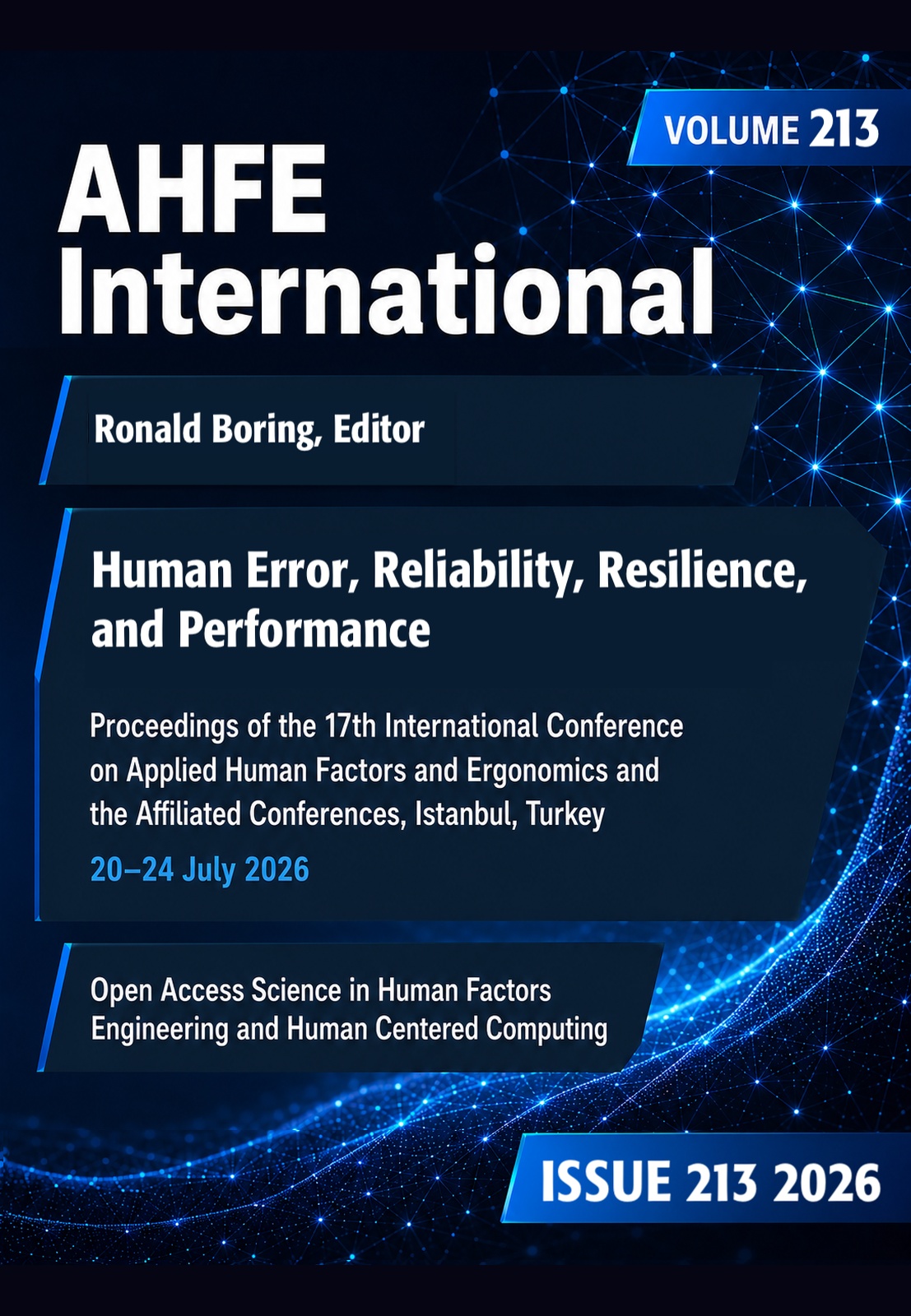
Editors: Ronald Boring
Topics: Human Error, Reliability & Performance
ISBN: 978-1-964867-89-2
DOI: 10.54941/ahfe1007232
Table of Contents
Silent Safety: Assessing the procedures regarding cavitation inception on naval vessels during a multi-day anti-submarine warfare exercise
Cavitation is one of the strongest sources of underwater radiated noise (URN) caused by ships. Next to the ecological impact, preventing cavitation is essential for crews on naval vessels, as the URN caused by cavitation can be used by submarines to detect the ship. As this prevention process requires the crew of a vessel to act on cavitation information, it is necessary to understand the current cavitation-related processes on board. We conducted a FRAM based on a NATO anti-submarine exercise and compared the work as intended to the work as done by the bridge teams. The intended goal of the system is achieved, but the system lacks the resilience to cope with mistakes and unexpected events. Several workarounds in the work as done have been identified that are being used to relieve the strain on the system. The watch officer has the highest workload and frequently offloads tasks to others on the bridge. This lowers the workload but potentially causes problems that the overall system cannot mitigate.
Julian Steinke, Robert Van de Ketterij, David Slater, Henk De Weerd, Guido Band
Open Access
Article
Conference Proceedings
Psychometric Characterization of Silent Reliability Degradation Detection in Automated Decision Aids
Automated decision aids may undergo silent reliability degradation without explicit alerts, requiring operators to infer state changes from sparse and partly stochastic error cues. The current research conducts a secondary analysis of the raw first-report behavioural data from Tan et al. (2026) to psychometrically characterize silent degradation detection. First-report trajectories from a within-subject 3 x 2 x 2 experiment (reliability loss magnitude: 0%, 5%, 10%; initial reliability: 75% vs. 90%; error type: false alarms vs. misses; N = 60) were reconstructed into window-based cumulative outcomes at 20, 40, 60, 80, and 100 trials. A logistic mixed-effects model estimated window-specific psychometric functions mapping reliability loss to cumulative failure-report probability, from which operational detection thresholds were derived as the loss required to reach a 50% report criterion. Failure-report probability increased with reliability loss and monitoring window, and was lower under 90% initial reliability in the low-loss region. The 90% condition also showed steeper psychometric slopes. Operational detection thresholds declined with monitoring duration in both conditions, but remained higher under 90% initial reliability in the mid-to-late windows, with stable separation at 80 and 100 trials. These findings show that silent degradation detection is not only a matter of when the first report occurs, but also of how much degradation is required, within a given monitoring duration, to trigger a failure judgment.
Cheng Tan, Xiaodong Xu, Yuzheng Wang, Liang Ma
Open Access
Article
Conference Proceedings
The Role of Emerging Technologies in Transportation Safety
Emerging technologies are reshaping safety performance across all transportation domains, transforming traditional risk models and redefining the interaction between humans, systems, and complex operational environments. From artificial intelligence and machine learning to advanced sensors, digital twins, predictive analytics, and autonomous platforms, these technologies offer unprecedented opportunities to enhance situational awareness, optimise decision-making, and strengthen organisational resilience. At the same time, their rapid integration introduces new socio-technical challenges, including algorithmic opacity, demands for human–machine coordination, cybersecurity vulnerabilities, and the need for a workforce capable of navigating increasingly intelligent systems. This paper examines the evolving role of emerging technologies in transportation safety, analysing how their adoption both augments and complicates human performance in safety-critical operations. The analysis begins by exploring how emerging technologies enable a shift from reactive to predictive and preventative safety paradigms. AI-driven data analytics now allow organisations to detect weak signals, forecast failure patterns, and identify precursors to incidents long before they manifest operationally. Advanced sensing technologies, such as real-time physiological monitoring, (Light Detection and Ranging) LiDAR, and high-fidelity environmental perception systems, enable continuous surveillance of operational risk conditions. Digital twins provide dynamic, real-world simulations that support scenario testing, training optimisation, and risk assessment. Together, these tools significantly expand system observability and provide a foundation for proactive risk management across aviation, rail, maritime, and surface transport. The paper then critically evaluates the human factors implications associated with this technological advancement. As systems become more autonomous and decision pathways increasingly algorithmic, human operators are required to manage higher levels of abstraction, supervise complex machine behaviour, and integrate diverse streams of automated information. These shifts can reduce manual proficiencies, intensify monitoring burdens, and create new forms of cognitive strain, especially during system anomalies or degraded modes. Trust calibration becomes central: both over-reliance and under-reliance on intelligent technologies pose risks to safety performance. Successful integration requires human-centred design, explainable AI interfaces, transparent communication architectures, and training that strengthens resilience, critical thinking, and understanding of system limitations. Organisational and regulatory implications are also analysed. Transportation safety frameworks, such as Safety Management Systems (SMS), Fatigue Risk Management Systems (FRMS), and competency-based training programmes, must evolve to incorporate technology-driven safety indicators, algorithmic risk assessments, and new classifications of human–machine interaction hazards. Regulatory bodies face the challenge of establishing performance requirements, certification pathways, and oversight mechanisms for systems that are no longer deterministic. Organisations must also invest in workforce capabilities that align with emerging roles in AI supervision, data-driven decision support, and autonomous operations management. The paper concludes by proposing a multi-layered safety model that integrates emerging technologies with human-centred practices, emphasising resilience engineering, adaptive training, transparent AI governance, and continuous learning across transportation ecosystems. It argues that technological innovation must be framed not as a replacement for human expertise but as an enabler of enhanced human performance. The long-term success of emerging technologies in transportation safety depends on designing systems, organisations, and regulatory structures that maintain human responsibility, support human cognitive strengths, and ensure safe coordination between people and intelligent machines. This paper contributes a cross-domain, resilience-oriented synthesis that positions emerging technologies as socio-technical amplifiers rather than deterministic safety solutions.
Dimitrios Ziakkas, Anastasios Plioutsias, Debra Henneberry
Open Access
Article
Conference Proceedings
Challenges in the Implementation of Resilience in Flight Operations: The Role of Safety Management Systems
Resilience has become a central concept in contemporary aviation safety, reflecting the industry’s need to manage complexity, uncertainty, and unexpected disturbances across increasingly automated and dynamic operational environments. While flight operations depend on the capacity of individuals, teams, and organisations to anticipate, adapt, and recover from disruptions, the practical implementation of resilience remains challenging. Safety Management Systems (SMS), as mandated frameworks across global aviation, play a critical role in shaping how resilience is operationalised, monitored, and sustained. This paper examines the challenges associated with implementing resilience in flight operations and analyses how SMS can support or hinder this integration.The analysis begins by defining resilience as a multi-dimensional capability, encompassing anticipation of potential threats, monitoring of system variability, adaptation to changing conditions, and recovery from disruptions. Within flight operations, resilience extends beyond pilot decision-making to include coordination between dispatchers, maintenance personnel, air traffic controllers, and organisational structures that guide operational decisions. Despite its conceptual prominence, resilience is often poorly translated into training programmes, procedural design, and operational policies, leading to fragmented or superficial implementation.The paper identifies several systemic challenges that hinder resilience adoption. First, traditional safety approaches remain predominantly reactive, focusing on compliance and incident investigation rather than proactive monitoring of system variability and weak signals. This reactive orientation limits the ability of SMS to identify early indicators of fragility or organisational drift. Second, existing performance metrics often prioritise efficiency and procedural adherence, inadvertently discouraging the adaptive behaviours that resilience requires. Third, high automation in modern flight decks can lead to reduced pilot engagement, erosion of manual flying skills, and over-reliance on automated systems—conditions that undermine adaptive capacity during system surprises or degraded modes.Human factors challenges are also examined. Pilots and operational personnel must maintain cognitive flexibility, situational awareness, and collaborative communication under dynamic conditions, yet training programmes frequently emphasise standardisation over adaptability. Additionally, organisational cultures that struggle with Just Culture principles may inhibit the open reporting and learning necessary for resilience development.The role of Safety Management Systems is critically analysed as both an enabler and a constraint. SMS offers structured processes for hazard identification, risk assessment, safety assurance, and safety promotion—all of which can support resilience if applied through a proactive, systems-oriented lens. However, many organisations implement SMS in a compliance-driven manner that prioritises documentation over learning, thereby limiting opportunities to build adaptive capacity. The paper argues that SMS must evolve to integrate resilience engineering principles, including system variability analysis, predictive monitoring, scenario-based learning, and cross-functional coordination mechanisms. Embedding resilience within SMS requires cultural transformation, leadership commitment, and the inclusion of resilience-focused competencies within CBTA/EBT frameworks.The paper concludes by proposing a resilience-enhanced SMS model tailored for flight operations. This model incorporates continuous monitoring of operational variability, systemic learning loops, transparent reporting structures, and training designed to cultivate adaptive cognitive and teamwork skills. The findings underscore that achieving genuine resilience in flight operations requires shifting SMS from a compliance instrument to a dynamic organisational capability that sustains safety performance in the face of uncertainty.
Ibrahim Sarikaya, Dimitrios Ziakkas, Eleftherios Bokas, Konstantinos Pechlivanis, Anastasios Plioutsias, Debra Henneberry
Open Access
Article
Conference Proceedings
The Role of Cultural Intelligence in Human Performance.
Cultural intelligence (CQ) has emerged as a foundational component of human performance across safety-critical, multicultural, and technologically evolving environments. As globalisation reshapes organisational structures and workforce compositions, individuals are increasingly required to collaborate, make decisions, and solve problems in settings characterised by cultural diversity, differing communication norms, and varied cognitive frameworks. This paper examines the role of cultural intelligence in shaping human performance, analysing how CQ enhances adaptability, situational awareness, interpersonal effectiveness, and resilience in complex socio-technical systems such as aviation, healthcare, transportation, and emergency response.The analysis begins by defining cultural intelligence as a multidimensional capability encompassing metacognitive, cognitive, motivational, and behavioural components. These dimensions support an individual’s capacity to interpret culturally influenced behaviours, reflect on assumptions, regulate affective responses, and adapt actions in culturally heterogeneous contexts. In operational environments where safety and efficiency depend on rapid coordination and shared understanding, cultural intelligence becomes a critical determinant of performance quality. High CQ improves a person’s ability to recognise cultural influences on communication patterns, decision-making preferences, conflict-management approaches, and expressions of authority or uncertainty—factors directly linked to team cohesion and operational reliability.The paper then explores the mechanisms through which cultural intelligence influences individual cognitive and behavioural performance. CQ enhances metacognitive monitoring, allowing individuals to detect biases, question cultural assumptions, and adjust mental models when interpreting cues from diverse colleagues or stakeholders. Motivational CQ supports sustained engagement and psychological readiness in multicultural environments, reducing stress, misinterpretation, and cognitive overload. Behavioural CQ enables culturally adaptive action, enhancing clarity, rapport, and trust—essential elements for effective performance in high-pressure situations. Together, these capabilities strengthen resilience, error management, and collaboration in dynamic and uncertain environments.Organisational and systemic implications are also examined. Human performance frameworks often emphasise technical proficiency, workload management, and cognitive ergonomics but under-address cultural adaptability as a component of performance optimisation. In diverse teams, low CQ can manifest as communication breakdowns, reduced assertiveness, conflict escalation, misinterpretation of intent, and diminished psychological safety. Conversely, high CQ contributes to safer and more efficient task execution, improved teamwork, and enhanced decision quality. Industries such as aviation, healthcare, and military operations—where multicultural teams are ubiquitous—demonstrate clear links between cultural intelligence, safety culture, and operational performance. Yet, many organisations lack structured CQ development within selection processes, leadership training, and competency-based assessment models.The paper concludes by proposing a framework for integrating cultural intelligence into human performance enhancement strategies. This model combines metacognitive training, intercultural simulations, behavioural adaptation exercises, and organisational interventions designed to strengthen cultural inclusivity and shared mental models. The findings underscore that cultural intelligence is not an optional interpersonal skill but a core human performance competency required to navigate the complexity of modern global work systems. Ultimately, the paper argues that optimising human performance in the 21st century requires recognising and cultivating CQ as a central driver of safety, collaboration, and organisational resilience.
Dimitrios Ziakkas, Debra Henneberry, Konstantinos Pechlivanis
Open Access
Article
Conference Proceedings
Scenario-Based Human Factors Modelling of Safety-Security Escalation in Critical Socio-Technical Systems
Cyber incidents in safety-critical systems rarely produce accidents through technical failure alone. Instead, they alter operational conditions by increasing cognitive demands, degrading information quality, and reshaping human–system interactions. These changes influence operator performance, creating escalation pathways through which cybersecurity disruptions propagate into safety-critical outcomes. Conventional safety and cybersecurity risk assessments often treat human performance as stable or secondary, limiting their ability to anticipate socio-technical failure mechanisms. This paper presents a human factors-driven, scenario-based modelling approach for analysing safety-security interactions in complex socio-technical systems. The method represents operator tasks, cognitive workload, interface behaviour, automation responses, and organisational influences within scenarios contrasting stable and cyber-degraded operations. By modelling how Performance Shaping Factors (PSFs) shift during disruption, the approach makes human performance visible as the mediating layer between cyber events and safety consequences. Implementation within the CAIRIS socio-technical modelling environment demonstrates how degraded operational states, human performance pressures, hazards, and escalation pathways can be captured in structured engineering artefacts. Illustrative rail signalling and defence supervisory control examples show how the approach reveals latent vulnerabilities in interfaces, procedures, and automation reliance often overlooked in traditional assessments. The work contributes a practical socio-technical modelling method that complements system-theoretic analyses by explicitly representing performance variability during cyber-disrupted operations and linking these dynamics to safety risk.
Eylem Thron, Duncan Ki-Aries, Martin Freer, Huseyin Dogan, Shamal Faily
Open Access
Article
Conference Proceedings
Designing Personalized Feedback Comments for Safety Management Based on Personality and Engagement: The PersonaTrace Scope Framework
In high-risk work systems, safety is increasingly sustained not by procedural compliance alone but by operators’ continuous interpretation of unfolding situations, attention allocation, and adaptive coordination under time pressure. Yet operationalizing personalized safety interventions remains challenging due to (i) poorly specified personalization dimensions, (ii) unstable message quality at scale, and (iii) limited deployability in real organizations.We propose PersonaTrace Scope (PTS), a two-axis design framework that specifies what to say, to whom, and at what cognitive depth. PTS independently controls (a) message framing and tone through seven practice-oriented personality factors and (b) intervention depth—defined as behavioral demand and expected cognitive load—through five engagement levels. This yields 175 predefined scopes with corresponding structured comment templates.To sustain minimum quality across this corpus without exhaustive expert review, we use a large language model (LLM) strictly as a quality assessor—not as a content generator—and introduce the Behavioral Trigger Index (BTI), a multidimensional gate that quantifies action-triggering properties relevant to human reliability (self-efficacy, adaptability, immediate executability, self-relevance, and organizational influence). Comments are iteratively refined until they satisfy a prespecified BTI threshold.We conducted a field evaluation with approximately 150 nurses, assessing perceived agreement, usefulness for patient safety activities, and intention to apply the content during work. Positive responses (Agree/Strongly agree) were 80%, 72%, and 74%, respectively, indicating that PTS-delivered comments are acceptable and may support safety-related reflection and behavioral intention. PTS offers an operational pathway to reconcile personalization with scalable quality assurance in high-risk domains.
Takahashi Kaito, Yu Shibuya, Yusaku Okada
Open Access
Article
Conference Proceedings
Investigation of an auto-belay failure within an indoor climbing gym
This paper discusses an incident where an 8-year-old girl fell 7 m from a rope ladder on 30 July 2022. The indoor climbing gym operator was charged and pleaded guilty to two breaches of the Occupational Health and Safety Act. The operator was fined AUD60,000 plus costs. The incident occurred within an indoor climbing gym in Melbourne, Australia. The incident involved an 8-year-old girl falling 7 m from a rope ladder while she was attending a friend’s birthday party. She became detached from a self-belay device suffering non-fatal traumatic injuries. It was concluded that the incident was a direct result of inadequate maintenance. Safety Engineering Ltd, the manufacturer of the Self-Belay Device, required all operators to re-certify their devices annually. The Self-Belay Devices are either refurbished and given a one-year additional warranty, or they are discarded and replaced with a new Self-Belay Device. The estimated usage period of the device which failed was 43 months. Excessive wear of the components within the Self-Belay Device allowed sufficient movement of the locking anchors for the device to malfunction. The movement of the locking anchors allowed the key to be removed when the worn connector was not fully engaged which allowed the participant to commence climbing when she was not securely to the auto-belay.
David Eager
Open Access
Article
Conference Proceedings
A Privacy-Preserving Edge Audio Analytics Framework for Contactless Operator Resilience Monitoring in Main Control Rooms
Maintaining operator cognitive readiness in industrial main control rooms is essential for safe operation, yet continuous monitoring remains difficult because wearable sensors can burden workers and cloud analytics can conflict with data-sovereignty requirements. This paper presents a privacy-preserving, contactless edge audio analytics framework for operator resilience monitoring that processes all speech locally. The architecture uses a dual-gating front end that combines FRCRN-based speech enhancement with ECAPA-TDNN speaker verification to suppress acoustic interference and isolate operator-specific speech in multi-operator environments. Authenticated speech is then analyzed by three parallel modules: emotion2vec-based stress representation learning, Paraformer-based transcription and semantic intent detection, and an acoustic vocal-fatigue proxy derived from statistical and cepstral features. These indicators are fused through an allostatic-load-inspired risk model and regulated by a finite-state alert controller with persistence and cooldown logic. Prototype evaluation under representative noisy, overlapping control-room conditions indicates end-to-end latency below 200 ms for up to five concurrent audio streams on standalone local hardware, while reducing false positives relative to a conventional far-field baseline. The results support the feasibility of privacy-preserving, audio-only operator-state monitoring for safety-critical control rooms.
Xingwei Zhang, Hengrui Guo, Jianwei Niu
Open Access
Article
Conference Proceedings
When Safety Regulation Discourages Safety: Human Factors Analysis of Mental Health Policy
Safety-critical industries such as aviation rely on regulatory frameworks designed to ensure operational reliability and public safety. However, emerging human factors research suggests that certain regulatory approaches may unintentionally suppress the very behaviors they aim to promote. This paper presents a qualitative policy analysis examining how mental health and fitness-for-duty regulations in safety-critical systems can paradoxically discourage help-seeking, transparency, and early intervention, thereby increasing latent risk.Grounded in human factors, Human Systems Integration (HSI), and Safety-II principles, this study analyzes publicly available regulatory and policy documents from international aviation authorities, including guidance from the Federal Aviation Administration (FAA), International Civil Aviation Organization (ICAO), and related oversight bodies. The analysis focuses on how regulatory language, certification requirements, and reporting structures frame psychological well-being, accountability, and professional fitness. Rather than evaluating individual compliance, the paper examines how system-level policy design shapes behavioral incentives and risk management practices.Using a qualitative document analysis approach, policy texts were coded for recurring themes related to responsibility attribution, disclosure consequences, trust, and ambiguity in mental health governance. The analysis reveals three dominant patterns. First, mental health is frequently positioned as an individual liability rather than a system-managed risk, placing the burden of regulation on the individual professional. Second, regulatory ambiguity around disclosure thresholds creates uncertainty, leading professionals to adopt risk-avoidant behaviors such as concealment or informal coping strategies. Third, fitness-for-duty frameworks emphasize exclusionary safety controls (e.g., grounding or decertification) while offering limited pathways for supported reintegration, undermining principles of resilience and adaptive performance.From a human factors perspective, these patterns reflect a misalignment between regulatory intent and real-world system behavior. While regulations aim to preserve safety through risk elimination, they often fail to account for how fear, stigma, and organizational silence influence human decision-making under constraint. This disconnect contributes to a “compliance paradox,” wherein adherence to regulatory expectations incentivizes non-disclosure and erodes trust in institutional support systems.The paper argues for a reframing of mental health policy within safety-critical systems—from a model of individual fault prevention toward one of system-supported resilience. Drawing on Safety-II and sociotechnical systems theory, the study proposes design-oriented policy principles that recognize emotional regulation, help-seeking, and psychological adaptability as integral components of safe performance rather than indicators of failure. Although the analysis centers on aviation, the findings have broader implications for other high-reliability domains such as healthcare, emergency response, and transportation.By highlighting how policy design influences human behavior, this research contributes to applied human factors by demonstrating the need for regulatory frameworks that align psychological safety with operational safety. The paper offers a foundation for future empirical work examining how policy reform can support both system reliability and human well-being in safety-critical environments.
Tasnim Hasan
Open Access
Article
Conference Proceedings
P-A CORE: A Four-State Asymmetric Cognitive Model Explaining Hidden Drivers of Human Decision Distortion
Traditional two-state decision models remain widely used in system design due to their structural simplicity; however, they frequently overlook the underlying causal processes by focusing primarily on binary outcomes (Booher, 2003). This research argues that outcomes are the inevitable result of repetitive cognitive patterns that binary frameworks misclassify as noise. This paper introduces the P-A CORE, a four-state asymmetric cognitive model consisting of F (Stable Primary), B (Stable Secondary), P (Rare Peak), and A (Asymmetric Collapse). Unlike existing models, the P-A CORE posits that these states are dynamically interconnected: the baseline stability of F influences the deviations in B, which in turn creates the probabilistic conditions for rare peak performance or a catastrophic asymmetric collapse (A) that fundamentally shifts the operational environment. We demonstrate through conceptual derivation and simulation that human decision-making is characterized by these non-linear transitions rather than static probabilities. By shifting the focus from "what" happened to "why" it occurred through this four-state progression, the model provides a structural basis for identifying hidden drivers of decision distortion. The P-A CORE serves not merely as a descriptive tool but as a predictive framework for risk mitigation, allowing system designers to anticipate and preemptively manage high-impact failures. The central argument remains that no two-state model can describe the fidelity of human cognitive fluctuation required for modern safety-critical systems (Folds, D. J., & Seals, K. B., 2008).
Jaeho Ryu
Open Access
Article
Conference Proceedings
Military Operations and Resilience: The Hellenic Air Force Academy Case Study
Resilience has become a defining attribute of effective military organisations, particularly within aviation domains where uncertainty, operational tempo, and mission-critical decision-making place continuous cognitive and organisational demands on personnel. This paper examines the role of resilience in military aviation operations through an in-depth case study of the Hellenic Air Force Academy (HAFA), analysing how resilience is cultivated, supported, and operationalised across training, leadership development, organisational structures, and the socio-technical systems that underpin flight operations. As modern air forces confront evolving threats, technological complexity, and dynamically changing geopolitical environments, resilience emerges as both a human performance capability and a strategic organisational asset essential for mission success.The analysis begins by conceptualising resilience as a multi-level construct encompassing individual adaptability, team cohesion, organisational flexibility, and systemic robustness. Within military aviation, resilience supports the ability to anticipate disruptions, absorb operational pressures, adapt strategies under uncertainty, and recover effectively from setbacks or unexpected events. The Hellenic Air Force Academy provides a compelling context to explore resilience development due to its integrated approach to academic education, flight training, physical conditioning, and ethical leadership formation.The paper explores the Academy’s training philosophy, emphasising how resilience is deliberately embedded into the curriculum through progressive exposure to complexity, stress inoculation, scenario-based simulation, and disciplined team coordination exercises. Cadets are trained to manage cognitive load, maintain situational awareness, and exercise adaptive decision-making under time pressure and operational ambiguity. Cultural factors, including the Academy’s emphasis on honour, collective responsibility, and disciplined autonomy, further reinforce resilience by creating a psychologically safe yet demanding environment where cadets learn to navigate failure constructively.Team-level resilience is analysed through flight training practices, where cadets engage in high-risk, precision-dependent training missions that require constant communication, mutual support, and cross-monitoring. Instructors act as resilience facilitators, teaching cadets to recognise early signs of performance degradation, manage emotional responses, and apply recovery strategies. The paper highlights how these competencies translate directly into the operational needs of military aviation where team resilience underpins mission reliability and survivability.At the organisational level, the case study examines HAFA’s structural enablers of resilience, including its Safety Management System, debriefing culture, leadership development programmes, and integration of emerging technologies such as advanced simulators, data-driven training feedback systems, and human performance monitoring tools. These mechanisms support continuous learning, error tolerance, and adaptive improvement—key components of organisational resilience in complex military environments.The study also situates HAFA within broader geopolitical and technological challenges faced by modern air forces: increased mission complexity, hybrid threats, automation, cybersecurity demands, and multinational operations. Resilience is discussed as a strategic capability that enables the Hellenic Air Force to maintain readiness, ensure force protection, and adapt effectively to evolving operational landscapes.The paper concludes by proposing a resilience-centred framework for military aviation training and organisational development, positioning the Hellenic Air Force Academy as a model for cultivating human and organisational resilience within high-reliability military systems. The findings underscore that resilience is not a supplementary attribute but an operational necessity for sustaining performance, safety, and mission success in contemporary military aviation.
Ioanna Lekea, Dimitrios Ziakkas, Dimitrios Stamatelos, Debra Henneberry
Open Access
Article
Conference Proceedings
Investigating Human Errors – Mistakes and Violations in Just Culture Transportation Operations
Human error remains a persistent and influential factor in transportation safety, yet its interpretation and management have evolved significantly through the adoption of Just Culture frameworks across aviation, rail, maritime, and road transportation systems. This paper examines the nature of human errors—specifically mistakes and violations—within operational environments governed by Just Culture principles, analysing how organisations can distinguish between human fallibility and unacceptable behaviour while fostering learning, accountability, and systemic resilience. As transportation systems grow more complex through automation, AI-driven decision-support, and multicultural team structures, the accurate investigation of human errors has become increasingly essential to ensuring safety, fairness, and continuous improvement.The analysis begins by conceptualising human error within contemporary human factors theory, emphasising the distinctions between mistakes (errors of judgement, planning, or interpretation) and violations (intentional deviations from rules or procedures). Mistakes are framed as manifestations of cognitive limitations, contextual ambiguity, poor interface design, and systemic pressures. Violations, however, often emerge from misaligned incentives, organisational drift, complacency, or poorly designed procedures that do not align with operational realities. A Just Culture environment must therefore provide the analytical tools to differentiate between these error types in a manner that is transparent, fair, and constructive.The paper further explores how Just Culture influences error reporting, investigation quality, and organisational learning. A well-implemented Just Culture encourages open reporting by reassuring employees that honest mistakes will not result in punitive action. This transparency allows organisations to capture weak signals, identify system vulnerabilities, and detect latent conditions before they escalate into incidents. However, the investigation of potential violations remains complex, requiring careful consideration of intent, situational pressures, cultural influences, fatigue, workload, and the design of procedures. The study argues that without a disciplined, evidence-based approach, Just Culture frameworks risk drifting toward blame avoidance or, conversely, punitive tendencies that undermine trust.Human factors methodologies—including task analysis, cognitive interviews, workload assessment, and systemic accident models such as HFACS or FRAM—are examined as critical tools in differentiating between mistakes and violations. These methods provide the structure necessary to identify whether behaviour was shaped by system design, training gaps, cultural norms, or individual decision-making. The paper highlights how emerging technological contexts, such as automation dependency and algorithmic decision-support systems, introduce new forms of error, including automation complacency, misinterpretation of AI-generated guidance, and system-induced violations due to poorly harmonised procedures.Organisational and regulatory implications are addressed, emphasising the need for robust governance structures, transparent decision criteria, and competency-based training programmes that incorporate Just Culture principles. Multimodal transportation case studies illustrate how inconsistencies in enforcement, cultural differences, and operational pressures can either strengthen or erode Just Culture foundations.The paper concludes by proposing an integrated investigative framework that combines human factors science, Just Culture principles, and systemic analysis to support fair accountability and meaningful learning. The findings underscore that effective management of mistakes and violations requires more than distinguishing human behaviour types—it demands an organisational commitment to understanding context, improving system design, and cultivating an environment where safety and fairness coexist.
Konstantinos Pechlivanis, Dimitrios Ziakkas, Debra Henneberry
Open Access
Article
Conference Proceedings
The Role of Resilience in Advanced Air Mobility: Human-AI Teaming, Supervisory Operations, and Socio-Technical Adaptation
Advanced Air Mobility (AAM) signals a transformative shift in aviation, introducing new vehicle types, operational models, and urban–regional transport that challenge traditional airspace management, regulation, and human performance. As AAM systems become more automated, data-driven, and distributed, resilience becomes key for safe, sustainable deployment. This paper explores resilience at the individual, team, organisational, and system levels, which are crucial for anticipating, absorbing, adapting to, and recovering from disruptions in complex environments.It places AAM within emerging mobility systems, leveraging technologies such as electric propulsion, autonomous systems, urban vertiports, airspace algorithms, and AI traffic management (UTM/UTM-X). These introduce operational interdependence, variable data quality, rapid scaling, evolving regulations, and unique failure modes. Resilience is vital for managing disruptions and ensuring safe operations amid system unpredictability, weather, cyber threats, and human–machine interactions. Resilience is also viewed as a human-centered and socio-technical trait. Operator and team resilience depends on adaptability, awareness, cross-monitoring, improvisation, and workload management, primarily as remote pilots and controllers oversee autonomous networks. Training should include scenario-based learning, degraded-mode simulations, and strategies for uncertainty and automation surprises. At the organisational level, resilience involves adaptive Safety Management Systems (SMS), predictive analytics, communication, and coordination among urban planners, regulators, air navigation service providers, manufacturers, and emergency services. Organizations must learn quickly from signals, adapt procedures in real time, and align strategies with human and urban limits. Governance must go beyond compliance to continuous monitoring, foresight, and proactive risk management.System resilience involves infrastructure, airspace design, digital ecosystems, and policies. Resilience in vertiport design, UAM corridors, networks, energy, and multimodal interfaces is crucial, requiring principles such as redundancy, diversity, modularity, and graceful degradation to keep systems operational in the face of failures. The paper concludes with a resilience framework emphasising human–machine teamwork, adaptive governance, cross-sector learning, and socio-technical integration. Success depends on technological innovation and the ability of organisations and ecosystems to adapt, remain human-centered, and resilient. Operational models like Single Pilot Operations (SiPO) and AI-supported supervision highlight early resilience challenges in AAM.
Debra Henneberry, Dimitrios Ziakkas, Anastasios Plioutsias, Ioanna Lekea
Open Access
Article
Conference Proceedings
Tracking the Chaos: Visualizing People & Resource Flow in Disaster Drills via Mobile App
Mass casualty incident (MCI) drills at disaster base hospitals are critical opportunities for continuously improving institutional disaster response capabilities. However, conventional drill evaluations rely heavily on observer-based checklists and post-drill debriefings, making it difficult to objectively and quantitatively capture what actually occurred during the exercise. In drills where numerous simulated casualties, medical staff, and equipment move simultaneously, accurately reconstructing "who was where and when," "which areas became congested," and "how resources such as stretchers were utilized" remains a significant challenge.To address this, we developed a smartphone application designed to record and visualize the flow of people and materials during disaster drills. The app incorporates three tracking methods: NFC tags, BLE beacons, and barcodes. NFC tags attached to casualty cards or equipment are scanned at area entry and exit points to log timestamps. BLE beacons enable continuous location tracking of tagged subjects. Barcodes printed on existing cards or labels allow lightweight data capture with minimal setup. Each method offers distinct trade-offs in deployment ease, recording accuracy, operational burden, and attachment feasibility, enabling selection based on drill objectives and site conditions.Application examples from MCI drills conducted at disaster base hospitals are presented. The recorded data allow time-series reconstruction of each simulated casualty's movement across triage areas—red, yellow, green, waiting zones, and imaging rooms—enabling quantification of congestion onset and duration. Equipment utilization, including stretcher deployment timelines and potential shortages or bottlenecks, is similarly visualized.This approach extends drill evaluation beyond subjective narrative reflection toward objective, data-driven assessment. Metrics such as area dwell time, inter-area transfer duration, congestion levels, and equipment utilization rates enable multidimensional performance measurement. Longitudinal data accumulation further supports year-over-year comparison, facilitating verification of improvement and identification of recurring operational challenges.
Taro Kanno, Kazumi Kajiyama, Haruka Yoshida, Sachika Sharikura, Michihiro Tsubaki, Naoto Endo, Desak Ayu Clara Dewanti
Open Access
Article
Conference Proceedings
Thermal Management Using Microchannel Heat Sinks with Semi-circular Ribs
A simulation-based study is conducted on a microchannel heat sink featuring both smooth surfaces and surfaces embedded with semi-circular ribs. The heat sink consists of microchannels that are 1 cm in length and 150 μm in width, with water used as the working fluid. The analysis is performed over a Reynolds number range of 100 to 500. Thermal performance is evaluated based on the surface temperatures of the fluid and the inlet and outlet fluid temperatures. The results indicate that increasing the Reynolds number leads to higher Nusselt numbers and heat transfer coefficients, while the friction factor decreases with increasing Reynolds number. The microchannel heat sink with semi-circular ribs exhibits a significantly higher heat transfer rate compared to the smooth microchannel configuration. However, the total friction factor for the semi-circular-rib microchannels is also higher than that of the smooth channels. Additionally, the results show that the pressure drop increases as the Reynolds number increases.
Fadi Alnaimat
Open Access
Article
Conference Proceedings
User-Centered Approach to Designing and Evaluating Controlled Languages in the Nuclear Industry
In high reliability organizations such as the nuclear sector, operational safety depends not only on technical expertise but also on the clarity and interpretability of written instructions. To mitigate the risks of misinterpretation, controlled languages (CL) have been proposed. However, CL rules are frequently designed top-down without sufficient involvement of end users. This study presents a user-centered approach to designing and evaluating a CL for procedural documentation in the French nuclear industry. Drawing on ergonomic linguistics and cognitive models of text comprehension, we designed an experiment involving 89 participants (55 nuclear experts and 34 non-experts) to evaluate 10 linguistic rules. Participants completed comprehension tasks on procedural instructions presented in two versions (with and without CL rules) across both nuclear and general (cooking) domains. This cross-domain design allowed us to disentangle domain expertise effects from general linguistic processing abilities and to identify rules that benefit all readers regardless of their background knowledge. Results showed that four rules yielded significant improvements in comprehension, with three producing universal benefits and others revealing expertise-dependent effects. Beyond domain knowledge, experts exhibited structural habituation to complex syntactic patterns, influencing their performance even on neutral content. These findings suggest that expert resilience to complexity is both semantic and syntactic, with implications for CL design.
Eléna Martel, Amaël Arguel, Anne Condamines, Julien Kahn
Open Access
Article
Conference Proceedings
Operational Challenges in Small Modular Reactors: Insights into Human Factors and Emerging Technologies
Small Modular Reactors (SMRs) introduce new operational concepts and promise both economic and safety benefits, but they also pose challenges for practical implementation and human factors. These challenges include reduced staffing levels, remote personnel, and the centralised management of multiple facilities, among others. The distinctive characteristics of SMRs, and moreover, the potential of emerging technologies, can significantly shape human roles and work practices. Consequently, the role of emerging technologies is becoming increasingly important in supporting safe and efficient SMR operations. This study aims to identify practical needs and solutions for leveraging technology in SMR operations by presenting example cases collaboratively developed with subject matter experts. The study emphasises that the integration of new technologies should be considered already in the design phase, and that the principles of plant design and operational concepts should reflect the effective use of these technologies.
Timo Kuula, Päivi Heikkilä, Mikael Wahlström
Open Access
Article
Conference Proceedings
Relationship between Frontline Workers’ Risk Perception and Safety Characteristics of Turnaround Maintenance: An Empirical Study during Turnaround Maintenance in the Chemical Process Industries
Turnaround maintenance (TAM) in the chemical process industries (CPI) poses elevated safety risks with increased likelihood of human error. Human error, largely driven by inherent human fallibility and shaped by risk perception, remains a major cause of incidents. Despite extensive research on risk perception in other contexts, its role in TAM within CPI is underexplored. This study investigates the relationship between TAM safety characteristics and frontline workers’ risk perception, identifying critical safety factors for the safe execution of TAM. A mixed-methods design was employed, comprising self-reporting questionnaires, focus group, and literature reviews. 12 TAM safety characteristics were identified and grouped into three categories. Safety climate (38%) and simultaneous operations (21%) emerged as the most influential factors. Also, cognitive risk perception (probability and severity) positively affects affective risk perception, while work environment strongly influences affective risk perception and perceived risk severity. Conversely, safety climate negatively affects affective risk perception. Overall, work environment exerts a greater influence on risk perception than safety climate. These findings advance understanding of risk perception in TAM operation and inform targeted strategies to mitigate human error and incidents, as well as the critical safety factors to be considered to reduce incident risk.
Godswill Ekpe, Esther Ventura-medina
Open Access
Article
Conference Proceedings
Operator information needs in underground hydrogen storage monitoring
Underground Hydrogen Storage is gaining prominence as a solution for balancing energy grids in the transition to renewable energy, particularly as hydrogen offers flexibility amid the intermittency of renewables. However, deploying underground hydrogen storage within the Finnish energy system and bedrock conditions introduces complex technical, human, and organizational challenges. This research, conducted as part of the HUG Hydrogen Underground project, explores critical human factors in underground hydrogen storage development, focusing on operator roles, essential human tasks, and competency requirements to ensure safe operation. Using Work Domain Analysis —the first phase of Cognitive Work Analysis—the study characterizes the functional structure and operator support needs of storage system, considering constraints, purposes, processes, and physical components. An abstraction hierarchy model was created to define system purposes, values, and functions, facilitating the identification of critical operational dependencies and areas demanding operator understanding. Ten functional monitoring themes were developed to guide a participatory exercise involving HUG project experts in geology, engineering, safety, and operations, using Microsoft Whiteboard for collaborative input. The analysis of participant responses led to an initial monitoring concept, highlighting operator-critical information flows, interface design considerations for system-level oversight, and situational awareness requirements specific to underground hydrogen storages. In addition, visual mock-ups were prepared to illustrate potential displays for storage system (e.g., storage integrity, hydrogen inventory, and injection–withdrawal dynamics). The findings underscore the importance of integrating human factors early in system design to e.g., align monitoring concepts with operator information needs, laying a foundation for safe and effective storage operations.
Hanna Koskinen, Nina Flink, Bastian Tammentie
Open Access
Article
Conference Proceedings